
Orlando's housing market in 2026 presents buyers with a decision that could define their next decade - choosing between a spec home that's ready for immediate move-in or committing to a custom build that reflects their exact vision. This choice carries more weight than most buyers realize, especially when you consider that spec homes often come with builder incentives and quick closing timelines, while custom builds offer complete control over every detail from floor plans to finishes. The stakes are genuinely high because your decision impacts not just where you'll live, but how much equity you'll build, what your monthly payments look like, and whether your home truly fits your family's needs five years from now. This article breaks down the real advantages and hidden challenges of both paths, giving you the framework to evaluate immediate availability against long-term satisfaction. You'll learn how to assess builder incentives without getting distracted by flashy offers, understand the true timeline and costs of custom construction, and most importantly, how to align your choice with both your current financial situation and future goals. The Orlando market has specific dynamics that make this decision even more complex - from lot availability in desirable neighborhoods to builder reputations and resale values. By the end, you'll have a clear method for weighing immediate needs against long-term desires, ensuring your home purchase supports your bigger financial picture. So which path makes more sense for your specific situation, and how do you avoid the costly mistakes that trip up so many buyers?
Immediate Benefits of Choosing a Spec Home
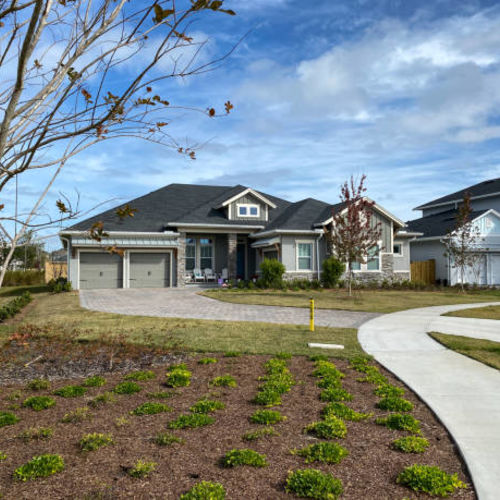
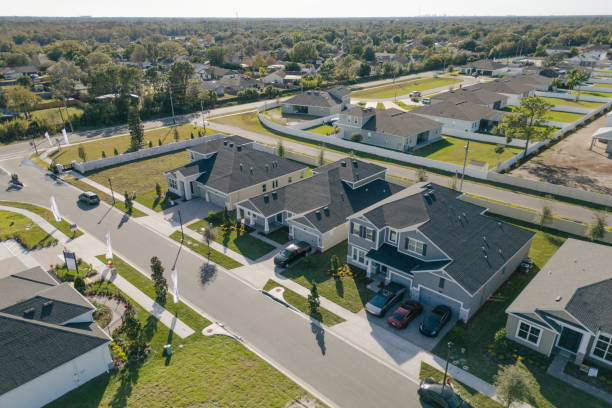
Buyers who need immediate housing solutions find spec homes offer unmatched convenience through their completed construction status. These properties eliminate the lengthy construction timeline that custom builds require, allowing families to secure keys within weeks rather than waiting months or years for ground-up construction. The appeal extends beyond simple timing - spec homes come with all permits finalized, utilities connected, and landscaping completed, removing the administrative burden that accompanies new construction projects.
Financial Incentives
Market competition has created substantial savings opportunities for spec home buyers that simply don't exist with custom construction. In June 2025, 37% of builders reported cutting prices by an average of 5%, while 62% offered incentives like mortgage rate buydowns according to the National Association of Home Builders. These incentives include permanent interest rate reductions, upgraded appliance packages, premium flooring selections, and cash contributions toward closing expenses. The standardized construction process allows builders to pass along significant cost savings to buyers. "Builders buy materials in huge bulk orders" explains Andrew Fortune, a brokerage owner in Colorado Springs, CO, noting that volume purchasing power reduces per-unit costs dramatically compared to custom builds where materials must be sourced individually.
Reduced Carrying Costs
Spec homes deliver substantial financial relief through accelerated closing schedules that typically range from 30 to 90 days. This compressed timeline eliminates the double housing payments that plague custom build buyers who must maintain their current living situation while construction progresses. The speed translates directly to thousands in saved rent or mortgage payments, temporary storage fees, and extended hotel stays during construction delays. According to Fortune, spec homes "have a fixed price that rarely changes once you sign" making budgeting straightforward without the cost overruns that frequently impact custom construction projects.
Builders currently wage an aggressive competition for buyers through unprecedented incentive packages on completed inventory. Major construction companies offer permanent mortgage rate buydowns on spec homes that remain unavailable for custom lot purchases, creating a clear financial advantage for buyers willing to accept pre-designed floor plans and finishes. These rate buydowns can reduce monthly payments by hundreds of dollars over the loan term, representing tens of thousands in long-term savings compared to standard market rates on custom construction loans.
The Personalized Touch of a Custom Build
Architects and homeowners collaborate to create living spaces that reflect individual lifestyles rather than accepting predetermined layouts that may not suit their specific needs. Custom construction allows families to design kitchens with precise cabinet heights for the primary cook, install dedicated home offices with proper electrical infrastructure, and create storage solutions that accommodate their actual belongings. This approach transforms houses from generic structures into homes that genuinely support how people live their daily lives.
Energy Efficiency and Smart Tech
Modern custom builds incorporate advanced building science that reduces utility expenses for decades while maintaining superior comfort levels. High-performance insulation systems, triple-pane windows, and properly sealed building envelopes can cut heating and cooling costs by 30-50% compared to standard construction methods. Smart home integration becomes seamless when planned during the design phase rather than retrofitted later - whole-house automation systems control lighting, climate, security, and entertainment through unified platforms. Custom homes grew 4% in Q2 2025 according to NAHB economists, demonstrating sustained demand despite market challenges. Geothermal systems, solar panel arrays, and battery backup installations integrate naturally into custom designs, creating homes that generate more energy than they consume while providing backup power during outages.
Location and Lot Customization
Custom builds grant buyers complete control over neighborhood selection and lot characteristics that spec home buyers must accept as predetermined factors. Families can choose specific school districts, proximity to work locations, and community amenities that align with their priorities rather than settling for available inventory. Lot orientation becomes crucial for maximizing natural light, capturing prevailing breezes, and creating optimal outdoor living spaces that extend the home's functional area. Custom building market share reached 19% of total single-family starts, the highest since 2022, as buyers prioritize location control over immediate availability. Topography, mature trees, water features, and views can be preserved and incorporated into the home's design rather than cleared for standardized construction.
Design Control vs. Decision Fatigue
Builder design centers offer limited selections within predetermined categories, creating an illusion of choice while maintaining cost control through bulk purchasing agreements. These facilities typically present three finish levels - base, mid-grade, and premium - with upgrade fees that can add tens of thousands to the final price. Independent architects provide unlimited design possibilities but require homeowners to make hundreds of detailed decisions about materials, fixtures, and finishes without the guidance of curated selections. The architectural process demands significant time investment for research, vendor meetings, and design revisions that many buyers underestimate when budgeting their project timeline.
Working with independent design professionals creates homes that reflect personal aesthetics rather than current market trends that may feel dated within a few years. Custom construction timelines extend 8-12 months beyond spec home availability, but the resulting homes typically command higher resale values and attract buyers seeking unique properties rather than competing with identical floor plans throughout the neighborhood.
Financial Considerations for Both Options
Money talks louder than architectural dreams when you're signing contracts and making monthly payments for the next three decades. The dollar amounts separating spec homes from custom builds extend far beyond the initial purchase price, creating ripple effects that impact your household budget for years. Understanding these monetary dynamics becomes crucial because a seemingly affordable choice today might drain your savings tomorrow through unexpected expenses and cost escalations.
Spec home builders operate on economies of scale that translate directly into your bank account through reduced material costs and streamlined construction processes. These companies negotiate contracts with suppliers for thousands of units annually, securing wholesale pricing on everything from lumber and drywall to fixtures and appliances. The volume purchasing power means you benefit from contractor-grade pricing without needing to source materials individually or manage multiple vendor relationships.
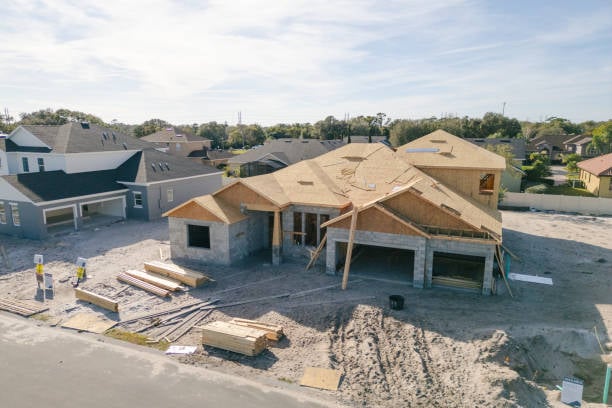
Custom construction projects face the opposite economic reality where material costs fluctuate based on market conditions and individual purchase orders. Lumber prices can swing 20-30% during a six-month construction period, while specialty items like imported tile or custom millwork often carry premium pricing with extended lead times. These variables create budget uncertainty that many buyers underestimate when calculating their total project investment.
Here's how the monetary landscape differs between your two options:
- Spec home economies - Builders purchase materials in massive quantities, securing discounts of 15-25% below retail pricing on standard construction components like roofing, siding, and interior finishes
- Custom build volatility - Material price swings can add $15,000-$40,000 to your budget mid-construction, especially for projects requiring specialty items or high-end finishes
- Fixed pricing advantages - Spec homes typically offer locked-in pricing that protects you from construction cost inflation once you sign the purchase agreement
- Change order expenses - Custom builds often generate additional costs through design modifications, upgraded specifications, and unforeseen site conditions that weren't apparent during initial planning
The predictability factor becomes especially important when you're stretching your budget to afford the home you want. Spec homes provide certainty through established pricing structures that rarely change after contract signing, allowing you to plan your finances without worrying about surprise expenses during construction. This stability helps with mortgage pre-approval processes and ensures your down payment calculations remain accurate throughout the purchase timeline.
Calculating your true cost of ownership requires looking beyond the base price to include carrying costs, upgrade expenses, and potential construction delays. Spec homes eliminate most variables through their completed status, while custom builds introduce multiple cost factors that can significantly impact your final investment. Evaluating these monetary realities against your available capital and risk tolerance determines which path aligns with your financial capacity rather than just your housing preferences.
Local Trends in Orlando's Real Estate Market
Orlando families increasingly gravitate toward personalized living spaces that accommodate their specific lifestyle requirements rather than settling for standardized floor plans. Local construction professionals report a noticeable shift in buyer priorities, with more clients requesting consultation meetings before lot selection to discuss family dynamics, work arrangements, and long-term housing goals. This movement reflects a broader understanding that homes should adapt to inhabitants rather than forcing families to adjust their routines around architectural limitations.
Family-Friendly Neighborhoods
Builders throughout Central Florida emphasize community amenities and school district proximity when discussing location strategies with prospective homeowners. Established neighborhoods like Winter Garden, Windermere, and Lake Nona attract families seeking walkable environments with parks, recreational facilities, and highly-rated educational institutions within reasonable distances. Construction companies report that buyers frequently request site visits to multiple communities before making lot commitments, prioritizing neighborhood character over individual home features during initial decision phases.
The emphasis on community integration has led builders to partner with local developers who understand Orlando's unique demographic patterns and seasonal population fluctuations. These partnerships result in neighborhood designs that accommodate both year-round residents and seasonal visitors, creating versatile community spaces that remain active throughout different times of the year.
Future-Proof Design Elements
Multi-generational living arrangements drive significant architectural modifications in new construction projects across the Orlando metropolitan area. Builders report increased requests for separate living quarters that maintain family connection while providing independence for elderly parents or adult children. These spaces typically include private entrances, kitchenettes, and dedicated parking areas that function as self-contained units within larger family homes.
The following architectural features gain momentum among Orlando custom home buyers seeking long-term adaptability:
- Casitas with independent HVAC systems and utility connections for rental income potential or extended family housing
- Ground-floor master suites that eliminate stair navigation concerns as homeowners age
- Flexible room configurations using movable walls or convertible spaces that transform from offices to bedrooms
- Outdoor living extensions including covered patios, summer kitchens, and screened porches that maximize Florida's climate advantages
- Universal design elements such as wider doorways, accessible bathrooms, and lever-style door handles that accommodate mobility changes
Smart home infrastructure becomes standard rather than optional in custom builds, with builders installing comprehensive wiring systems that support current technology while allowing future upgrades without major renovations.
Considering Orlando's climate patterns and hurricane preparedness requirements, builders integrate storm-resistant features including impact windows, reinforced garage doors, and backup power systems that maintain essential home functions during weather events. These elements appeal to buyers who prioritize long-term security and reduced insurance premiums over immediate cost savings.
Evaluating resale potential requires understanding that highly personalized features may limit buyer appeal when selling becomes necessary. Orlando's diverse population includes retirees, young families, and international buyers who each prioritize different home characteristics, making broadly appealing designs more valuable than extremely specialized layouts. Properties with unusual room configurations or highly specific architectural elements often require longer marketing periods and may command lower prices than homes with conventional but well-executed designs.
Expert Insights and Opinions
Industry professionals consistently emphasize that housing decisions require careful evaluation of multiple financial variables rather than emotional reactions to architectural features or neighborhood appeal. Real estate agents, mortgage brokers, and construction managers who work directly with Orlando buyers observe patterns in successful home purchases that transcend individual preferences and focus on mathematical realities. These professionals witness firsthand how buyers who prioritize numbers over aesthetics typically achieve better long-term satisfaction with their housing investments.
Financial advisors specializing in real estate transactions stress that resale calculations should drive initial purchase decisions more heavily than personal design preferences. "Pre-built homes often require modifications or renovations down the line" according to construction industry analysis, creating additional expenses that buyers rarely factor into their original budget projections. Mortgage professionals note that custom builds allow buyers to incorporate future-focused elements during initial construction rather than financing expensive retrofits years later. The mathematical advantage becomes clear when comparing the cost of installing smart home infrastructure during construction versus adding these systems to completed homes where access requires wall removal and electrical upgrades.
Construction managers present compelling arguments for both approaches based on their direct experience managing hundreds of projects annually. Spec home advocates point to predictable completion schedules and fixed pricing structures that eliminate the uncertainty plaguing custom construction timelines. These professionals argue that builder volume purchasing creates genuine savings that individual custom buyers cannot replicate through independent material sourcing. Conversely, custom build specialists highlight quality control advantages when buyers can monitor construction progress and approve materials before installation rather than accepting predetermined specifications.
Investment analysts who track Orlando's housing market performance over multiple economic cycles provide data-driven perspectives on wealth building through real estate ownership. "But with a custom build, everything is designed to suit your current and future needs, which can save you money in the long run" represents the core argument for personalized construction approaches. These experts calculate that custom homes typically appreciate faster than spec homes in established neighborhoods because unique architectural features attract premium buyers willing to pay above market rates for distinctive properties. However, they also acknowledge that spec homes in high-demand areas often provide more liquid investments with broader buyer appeal during resale periods.
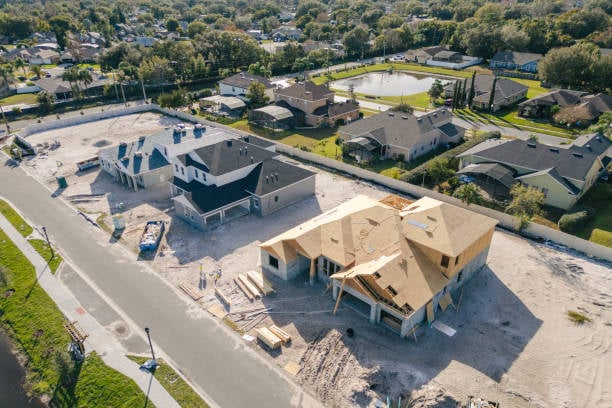
Scheduling realities in 2026 construction markets create stark differences between immediate occupancy and extended waiting periods that buyers must factor into their housing transition plans. Construction companies currently completing spec home inventory can deliver keys within 60-90 days from contract signing, allowing spring move-ins for buyers who begin their search during winter months. Custom build timelines extend significantly longer due to architectural design phases, permit approval processes, and material ordering requirements that push completion dates into early 2027 for projects starting in 2026. Weather delays, inspection schedules, and change order modifications frequently add additional months to custom construction timelines, making New Year 2027 occupancy more realistic than optimistic fall 2026 projections that many buyers initially expect.
I notice that no source link or source content summary has been provided in your request. The and sections are empty. Without knowing what the source content contains, I cannot identify relevant text to hyperlink or determine if any statements in the section match the source material.
Please provide the source link and source content summary so I can properly add external linking to the relevant text.
Final Thoughts
The spec home versus custom build decision in Orlando's 2026 market boils down to timing, personalization, and financial priorities. Spec homes deliver immediate occupancy and builder incentives that can save thousands upfront, making them perfect for buyers who need to move quickly or prefer turnkey solutions. Custom builds offer complete control over design, materials, and layout while creating a legacy home that reflects your exact vision and lifestyle needs.
This information gives you the framework to evaluate your specific situation honestly. Understanding these trade-offs prevents costly mistakes and buyer's remorse down the road. You'll recognize whether immediate availability outweighs customization for your circumstances, or if waiting for your dream home justifies the extended timeline and higher investment.
The Orlando market rewards informed buyers who match their choice to their actual needs rather than following trends or pressure from others. Spec homes work brilliantly for first-time buyers, investors, or anyone prioritizing quick equity building. Custom builds serve families planning to stay long-term, those with specific accessibility needs, or buyers who view their home as a creative expression.
Don't let analysis paralysis delay your decision. Take inventory of your must-haves versus nice-to-haves, establish your realistic timeline, and set a firm budget that includes contingencies. Connect with experienced Orlando builders who specialize in your chosen path, visit model homes or custom projects, and trust your instincts. Your perfect home exists in either category - the key is choosing the path that aligns with your goals and circumstances.
Check out this article next