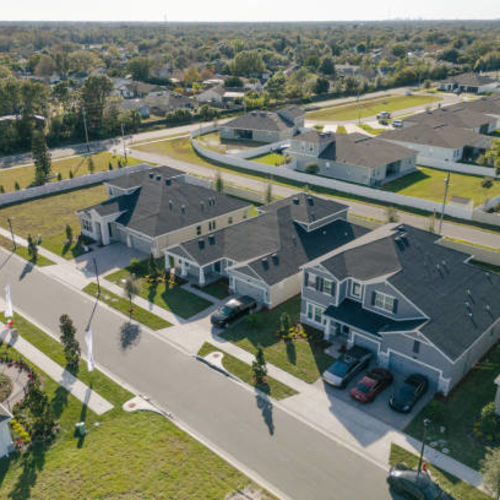


Joseph Beninati just committed $1.2 billion of private money to build what he calls a "city within a city" on 215 acres in Northwest Orange County, and this isn't your typical development story filled with empty promises and construction delays. Wyld Oaks represents something different — a debt-free, master-planned community designed around the "Live, Stay, Play, Shop, Dine, Heal, and Bark" lifestyle that could reshape property values across Apopka and surrounding areas through 2026. This article breaks down exactly what's being built, from residential neighborhoods to a Main Street retail district, a major health village, office spaces, entertainment venues, and smart city fiber infrastructure that most developers only talk about. You'll discover the specific construction timeline, understand why private funding without debt matters for long-term stability, and learn how to spot the difference between marketing hype and real demand drivers like job creation and healthcare expansion. More importantly, you'll gain the knowledge to time your next property purchase, evaluate your current home's equity potential, or identify investment opportunities before the broader market catches on. The key lies in understanding which areas will see value increases first and what milestones signal genuine progress versus developer marketing. Ready to separate the facts from the sales pitch and position yourself ahead of the development cycle?
2026 Construction & Milestone Tracker
Tracking specific construction phases gives you the power to anticipate market shifts before they happen. Each completed milestone directly impacts property values in measurable ways, making this timeline your roadmap for strategic decisions.
Current Status (Q1 2026)
Foundation work across the entire 215-acre site reached completion in December 2025, with two miles of internal roadways and all utility systems now operational. Building permits for the first vertical structures were issued in January 2026, marking the official start of above-ground construction activities.
2026 Key Milestones to Watch
- Road Expansion: "The expansion of Apopka's Kelly Park Road is set to begin in early 2026" with "project funding is estimated at $15 million" for the four-lane upgrade. "The Kelly Park Road project is aimed at easing congestion by upgrading traffic signals and adding a lane in each direction" to handle increased traffic from the 429 Expressway interchange. Watch for visible lane shifts, temporary traffic patterns, and equipment staging areas that signal active progress, though "construction is expected to progress in phases but no completion date has been released."
- Residential Kickoff: Madison at Wyld Oaks represents the first wave of housing with 325 units scheduled for occupancy by December 2026. Monitor the leasing office opening, model home unveilings, and pre-leasing announcements that typically occur 90 days before move-ins. First resident occupancy serves as the strongest indicator of actual demand versus projected interest.
- Healthcare Priority: AdventHealth Health Village construction takes precedence this year, featuring emergency room facilities and helicopter landing capabilities. Site preparation, permitting approvals, and groundbreaking ceremonies provide clear progress markers. Healthcare facilities historically drive the strongest property value increases within a three-mile radius due to employment density and service accessibility.
Monitoring these three developments simultaneously reveals which areas experience genuine demand pressure first. Healthcare construction typically signals the most reliable long-term value appreciation, while residential occupancy rates demonstrate immediate market absorption capacity.
The "Meat" (Key Project Components)
Breaking down the actual structures and amenities reveals why savvy investors focus on tangible assets rather than marketing promises. Each component directly influences rental rates, absorption speeds, and long-term property appreciation within a three-mile radius.
Housing density reaches full capacity at 6,000 dwelling spaces, split between high-rise towers and low-rise communities that serve distinctly different market segments. Ten-story luxury towers target affluent renters seeking urban amenities with suburban access, while 1,500 garden-style apartments capture moderate-income households and young professionals. This dual approach creates steady absorption across multiple price points, reducing vacancy risks and supporting consistent rental income streams for nearby property owners who benefit from increased housing demand spillover.
Commercial dining and shopping spans over 280,000 square feet through two distinct concepts that generate different traffic patterns and spending behaviors. Yonder Village operates as a walkable Main Street district emphasizing local entrepreneurs and independent restaurants over national chains, creating authentic community gathering spaces that drive weekend foot traffic. Wyld Provisions functions as an upscale travel center and convenience destination, capturing daily commuter spending and highway traffic from the 429 Expressway interchange. Both concepts work together to close retail gaps that currently force residents to drive elsewhere for dining and shopping needs.
Wyld Green serves as the community's central gathering space with a performance venue designed for 2,000 attendees, transforming the development into a regional entertainment destination. Live music events, festivals, and cultural programming draw visitors from across Central Florida, increasing weekend visitation and supporting local business revenue. This type of placemaking infrastructure historically drives property values higher within walking distance, as residents pay premiums for proximity to entertainment and cultural amenities.
BARK positions itself as "America's Greatest Dog Park" with specialized features including a Pupstagram Plaza for social media content, splash pads for water play, and professional agility courses for training activities. Pet-focused amenities create powerful lifestyle differentiation that increases resident retention rates and attracts households willing to pay higher rents for pet-friendly communities. Dog parks also generate repeat daily visits, fostering neighborhood connections and community identity that strengthens long-term property demand.
Professional workspace totaling 200,000 square feet targets boutique Class A tenants seeking modern facilities without downtown Orlando lease rates or commute times. Smaller office buildings attract professional services, technology companies, and medical practices that employ local residents and reduce outbound commuting patterns. Job creation within the development supports weekday retail spending and increases demand for nearby housing from employees seeking short commutes.
SBA Communications partnership delivers "speeds of up to 5 Gbps, upgradeable to 10 Gbps" through site-wide fiber infrastructure that positions Wyld Oaks among Florida's most technologically advanced communities. Joseph Beninati, founder of Wyld Oaks, explains "We've spent well over one year researching and vetting the best possible technology solutions package" to support remote work capabilities and attract businesses requiring high-speed connectivity. This infrastructure advantage becomes increasingly valuable as companies prioritize locations with reliable internet for hybrid work arrangements.
Combining residential density with job creation, entertainment venues, and advanced technology infrastructure creates a self-contained ecosystem that reduces resident dependence on external services and amenities. Understanding which components open first reveals where property value increases begin and spread throughout surrounding neighborhoods.
Buyer Impact & Long-Term Value
Property owners within a five-mile radius stand to capture significant appreciation as this development transforms Northwest Orange County from an underserved market into a lifestyle destination with measurable economic drivers. Understanding how lifestyle ROI translates into actual dollar gains requires examining specific value catalysts that separate genuine opportunity from speculative hype.
The Halo Effect (Retail Gap → Lifestyle ROI)
Northwest Apopka currently forces residents to drive 15-20 minutes for quality dining, shopping, and entertainment options, creating a documented four hundred million dollar spending gap that flows to other municipalities. When master-planned developments fill these service voids with premium amenities, surrounding properties typically experience 8-12% value increases within 24 months as buyer preferences shift toward convenience and walkability. The combination of Main Street retail, upscale dining venues, and entertainment programming creates what economists call "amenity capitalization" — where proximity to desirable services gets priced directly into home values. Properties within walking distance command the highest premiums, while those within a short drive still benefit from reduced travel times and increased neighborhood desirability.
Home Value Drivers to Watch
- Employment: "The $1.2 billion development will create about 3,000 jobs" across healthcare, technology, hospitality, and retail sectors that typically offer above-median wages for Central Florida. Healthcare positions at AdventHealth facilities average $65,000-$85,000 annually, while technology and professional services roles often exceed $75,000. Higher-income employment within commuting distance creates sustained housing demand pressure as workers seek shorter commutes and lifestyle amenities. Job creation also generates secondary employment through increased local spending, creating a multiplier effect that supports long-term property value growth.
- Convenience: Daily errands currently require 30-45 minute round trips to Winter Garden or downtown Orlando, but Wyld Oaks transforms this into a five-minute drive or bike ride for medical appointments, grocery shopping, dining, and entertainment. Time savings translate directly into quality of life improvements that buyers willingly pay premiums to secure. Self-contained communities with comprehensive services historically outperform bedroom communities during market downturns because residents develop stronger attachment to neighborhoods that meet daily needs locally.
- Future-Proofing: The 10G fiber infrastructure positions properties for remote work capabilities that increasingly drive location decisions, while direct 429 Expressway access maintains connectivity to Orlando's job centers and airport. Fiber-ready homes command 5-8% premiums in today's market as companies embrace permanent remote work policies. The combination of high-speed internet and highway access appeals to professionals who want suburban living without sacrificing career opportunities or travel convenience.
Tracking employment announcements, amenity openings, and infrastructure completions provides clear signals for optimal purchase timing and hold periods. Properties purchased during early construction phases typically capture the greatest appreciation as each completed milestone validates the development's viability and attracts additional buyers to the area.
Essential Location Data
Site coordinates: 4105 Golden Gem Road, Apopka, FL sits strategically positioned with dual highway connectivity through the 429 Expressway interchange and West Kelly Park Road entrance points. These two arterials provide redundant access routes that prevent traffic bottlenecks during peak hours and construction periods, giving residents and visitors multiple pathways to reach the development. The 429 Expressway connection serves as the primary high-speed corridor for regional travel, while West Kelly Park Road functions as the local surface street alternative for neighborhood access and daily errands.
Commute patterns from this location place major employment centers within practical driving distances that support both traditional office workers and hybrid remote professionals. Interstate 4 becomes reachable within fifteen minutes via the 429 corridor, connecting residents to Orlando's tourism district, medical city, and downtown business core. Downtown Orlando sits thirty minutes away during standard traffic conditions, making daily commutes feasible for professionals who value suburban living over urban density. This positioning appeals particularly to households seeking larger living spaces and community amenities while maintaining career access to Central Florida's primary job markets.
Demographic shifts reveal significant population momentum that creates sustained housing demand pressure across Northwest Orange County. "Between the year 2020 and 2023, Apopka's population increased by 4,191" residents according to U.S. Census Bureau data, representing accelerated growth beyond historical patterns. Current construction activity includes over 13,000 residential units in various development phases within a ten-mile radius, indicating both strong market confidence and potential supply competition. These demand-supply dynamics directly influence Wyld Oaks' market positioning as developers compete for the same household formation growth while established neighborhoods experience increased buyer interest from population spillover effects.
Final Thoughts
Wyld Oaks represents a concrete development opportunity spanning 215 acres in Northwest Orange County. The numbers tell the story - up to 6,000 residential units, approximately 300,000 square feet of retail space, a healthcare village anchored by AdventHealth's emergency room, 1.5 million square feet of industrial space generating 2,000 jobs, plus hotels, parks, and fiber infrastructure.
The timeline gives you specific markers to track. Infrastructure completion hits Q4 2025, with vertical construction beginning early 2026 and the first 700 units coming online. This debt-free funding structure reduces the typical risks that derail master-planned communities. When developers own their timeline without bank pressure, projects get built as planned.
This information empowers you to make calculated decisions rather than guessing. Homebuyers gain timing advantages by understanding when inventory arrives. Current homeowners can assess how proximity to job centers and healthcare facilities might affect their property values. Investors can identify which property types and locations will benefit most from the development cycle.
Your next steps are straightforward. Monitor roadwork completion along the main corridors. Watch for AdventHealth hiring announcements and industrial tenant signings - these signal real job creation. Track retail tenant announcements to gauge commercial momentum. Pay attention to the first lease-up phases to understand actual demand versus projected demand.
The data is in front of you. The timeline is set. The funding is secured. Now you can make informed decisions about buying, holding, or investing based on facts rather than speculation. Start tracking these milestones and position yourself accordingly.
Check out this article next