

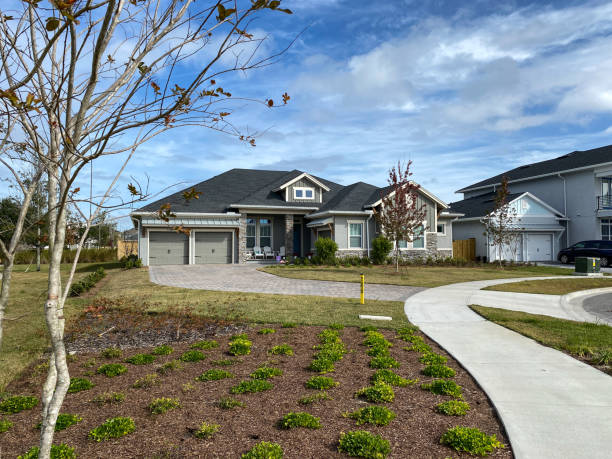
The median home price in Orlando hit $385,000 in 2025 and then did something unexpected – it stopped climbing. While news outlets rushed to declare the market "cooled" or "stalled," the real story behind these numbers tells a completely different tale that smart buyers need to hear. This price plateau represents the first time in years that Orlando's housing market has found its footing, creating a stability that many thought impossible after the wild swings of recent years. What looks like a slowdown on the surface actually reveals a market that's finally breathing normally again, and that shift opens doors for buyers who know how to read between the lines. In this analysis, we'll break down what the 2025 data actually means for your buying strategy in 2026, moving past the headlines to examine the real patterns that matter. You'll discover why this apparent "cooling" period might be the best thing that could happen for your home search, how inventory changes are creating pockets of opportunity, and which neighborhoods are showing the most promising signs for strategic purchases. The numbers don't lie, but they don't always tell the whole story either – and understanding the difference between market noise and genuine trends could save you thousands while positioning you ahead of buyers who only read the headlines. Ready to see what the statistics are really saying about Orlando's future?
Current Market Snapshot
Orlando's housing data for 2025 reveals a fundamental shift that many buyers haven't recognized yet. The median home price held steady at $385,000 throughout the year, creating a rare period of price stability that contrasts sharply with the volatile swings of previous years. This consistency signals something important - the market has found its equilibrium point, and the frantic bidding wars that characterized recent buying seasons have largely disappeared.
Several key metrics demonstrate this transformation across Central Florida's residential sector:
- Properties now spend an average of 73 days on the market, giving buyers adequate time to conduct thorough inspections and negotiate terms
- Sales activity dropped by 5.6% year-over-year, reducing competition among potential purchasers
- Available housing stock reached record highs during 2025, providing unprecedented choice for buyers
- Price appreciation essentially flattened, allowing household incomes to catch up with housing costs
Inventory Insight
The most significant development occurred in the final months of 2025 when housing supply climbed above five months of available inventory. This milestone represents the closest Orlando has come to achieving market balance since 2019, when buyers and sellers operated on more equal footing. A balanced market typically features between four to six months of supply, creating conditions where neither buyers nor sellers hold overwhelming advantages.
This inventory expansion means buyers can approach their home search with confidence rather than desperation. Multiple properties in desired neighborhoods remain available simultaneously, allowing for careful comparison shopping. Sellers can no longer expect immediate offers or above-asking prices, which translates to more reasonable negotiations for buyers. The extended timeframe also permits buyers to secure favorable financing terms without rushing through the mortgage process.
Navigating this environment requires understanding that more choices directly correlate with increased buyer leverage. Properties that might have sold within days now sit on the market for weeks, giving buyers opportunities to request repairs, negotiate closing costs, or walk away from deals that don't meet their criteria. This dynamic represents a complete reversal from the seller-dominated conditions that defined recent years, where buyers often waived inspections and offered cash above asking price just to compete.
Opportunities in a Stabilizing Market
 Smart buyers have discovered that price plateaus create windows of opportunity that don't exist during rapid appreciation periods. Since mid-2024, Orlando's housing costs have remained essentially flat, breaking a multi-year pattern of aggressive price increases that priced out countless potential homeowners. This stabilization means your purchasing power isn't eroding month by month while you search for the right property.
The shift from a seller-dominated environment to a more balanced marketplace has fundamentally altered how transactions unfold. Buyers now hold negotiating power that seemed impossible just two years ago, when properties routinely sold above asking price within hours of listing. This change creates space for careful decision-making rather than impulse purchases driven by fear.
The 73-Day Advantage
Properties that once disappeared from the market in under two months now remain available for 73 days on average, compared to just 58 days in previous years. This extended timeframe transforms the entire buying experience from a sprint into a thoughtful process where due diligence becomes possible again.
The additional weeks on market mean you can schedule multiple property visits, compare different neighborhoods thoroughly, and conduct comprehensive inspections without rushing. Structural engineers, HVAC specialists, and pest control experts can examine potential purchases properly rather than squeezing assessments into compressed timelines that often missed critical issues.
Negotiation dynamics have shifted dramatically as well. Sellers who once rejected repair requests now find themselves more willing to address maintenance issues or offer closing cost credits. The extended marketing period also means listing agents become more receptive to reasonable offers below asking price, especially for properties that have been available for several weeks.
The Rate Reality
Interest rates settled into the mid-6% range throughout 2025, ending the volatile swings that made mortgage planning nearly impossible. This consistency allows buyers to calculate actual monthly payments and stick to realistic budgets without constantly adjusting expectations based on rate fluctuations.
The stability eliminates the panic-driven decisions that characterized recent years when buyers rushed to lock rates before potential increases. Instead of chasing temporary rate dips or fearing imminent spikes, you can focus on finding the right property at the right price. Lenders also benefit from this predictability, often providing more competitive terms when rates aren't changing weekly.
Financial planning becomes straightforward when mortgage costs remain consistent over months rather than days. You can compare properties based on their actual value rather than trying to time rate movements, leading to more sound investment decisions.
Strategic positioning for 2026 starts with recognizing that current conditions favor methodical buyers over impulsive ones. Properties in desirable school districts and established neighborhoods show the strongest potential for future appreciation once market activity increases again. Targeting homes that need minor updates rather than major renovations allows you to build equity through improvements while benefiting from today's more reasonable purchase prices.
Horizon West and Emerging Growth Areas
Homebuyers have watched Horizon West's median home price climb to $565,000 as of May 2025, representing one of the few Orlando-area communities where values continued their upward trajectory even as the broader market stabilized. This master-planned community defied regional trends by maintaining consistent appreciation throughout 2025, driven by factors that distinguish it from traditional suburban developments. The community's approximately 70,000 residents occupy a carefully designed environment where housing demand consistently outpaces supply, creating conditions that support sustained value growth.
Major infrastructure projects completed in 2025 fundamentally altered Horizon West's accessibility and development potential. Road expansions like Independence Parkway and Wellness Way opened new access points and unlocked development potential, connecting previously isolated parcels to the community's central hub. These transportation improvements reduced commute times to downtown Orlando and other employment centers, making the area more attractive to working professionals. The enhanced connectivity also enabled builders like Tavistock and Dreamfinders Homes to continue delivering high-demand communities near Hamlin Town Center, expanding housing options while maintaining the area's planned community aesthetic. At the heart of it all is Hamlin Town Center, a vibrant commercial and lifestyle hub with more than 2 million square feet of retail, entertainment, and dining, spread across 400 acres. This commercial anchor provides residents with walkable access to daily necessities and entertainment options, reducing dependence on lengthy drives to other parts of Orlando.
Lake Nona presents a different but equally compelling growth story for buyers seeking value appreciation potential. This medical city continues attracting major employers and research institutions, creating a employment base that supports housing demand. The community's focus on health and wellness industries provides economic stability that many residential areas lack, as these sectors tend to weather economic downturns better than tourism-dependent businesses. Unlike typical suburban sprawl, Horizon West was designed with smart planning from the beginning, prioritizing connectivity, walkability, mixed-use development, and cohesive growth. Similar planning principles guide Lake Nona's expansion, where mixed-use developments integrate residential, commercial, and office spaces within walking distance of each other.
Analyzing the over 42,000 total residences planned for Horizon West reveals why this community maintains pricing strength despite broader market conditions. The phased development approach ensures steady but controlled growth, preventing the oversupply issues that can depress home values in rapidly expanding areas. Nearly every elementary and middle school in the area has earned an A rating, with more campuses on the way as the community expands, creating additional appeal for families with school-age children. The 69 percent owner-occupied homes statistic indicates strong community stability, as residents invest in long-term ownership rather than treating properties as short-term investments or rental units.
Targeting these emerging areas requires understanding their unique value propositions compared to established Orlando neighborhoods. Horizon West offers modern construction and planned amenities, while Lake Nona provides proximity to major medical and research employers. Both communities benefit from infrastructure investments that improve connectivity to Orlando's employment centers and entertainment districts. Buyers who position themselves in these growth corridors can benefit from continued development momentum that supports property values even during broader market adjustments.
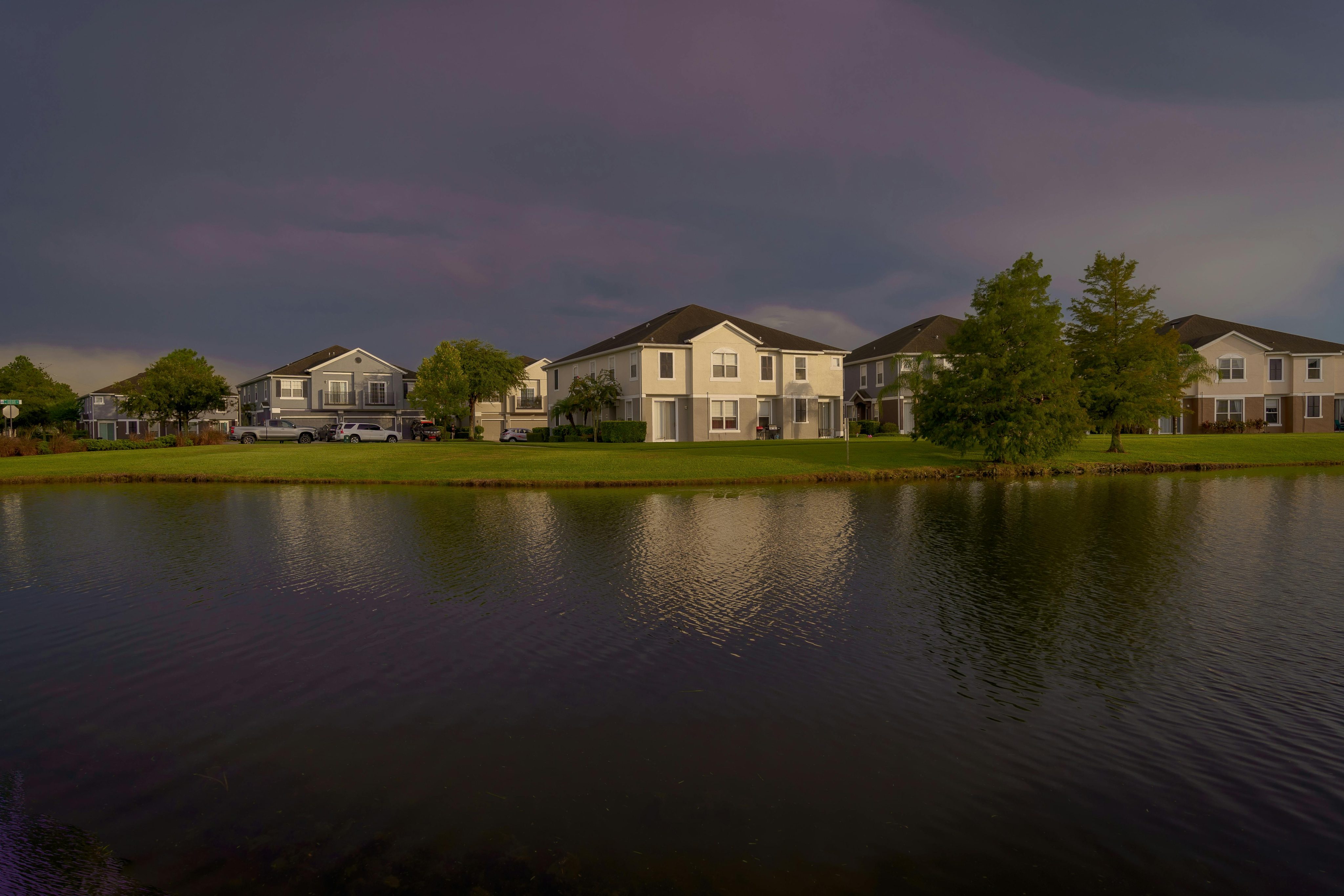
Expert Predictions for 2026
Leading economists and real estate professionals have released their forecasts for Orlando's housing sector, providing buyers with concrete data points to guide purchasing decisions through the coming year. These professional assessments carry weight because they're based on comprehensive market analysis rather than speculation, offering buyers reliable frameworks for timing their home purchases.
Mortgage Rate Trends
Financial institutions expect borrowing costs to decrease gradually throughout 2026, with Dr. Lawrence Young, chief economist for the National Association of Realtors, forecasting 30-year mortgage rates to averaging around 6% for the year. This projected decline from current levels represents meaningful affordability improvements for buyers who have been waiting for more favorable financing conditions.
The anticipated rate reduction could translate into substantial monthly payment savings for typical Orlando home purchases. A one-percentage-point decrease on a $385,000 mortgage reduces monthly payments by approximately $230, creating additional buying power for households that have been priced out at higher rates. These savings compound over the life of the loan, potentially saving buyers tens of thousands in interest payments.
Timing becomes crucial when rates begin their downward trajectory. Early adopters who secure financing during the initial decline phases often benefit from both lower rates and reduced competition from other buyers who remain hesitant to enter the market. The gradual nature of the predicted decrease means buyers won't face sudden rate drops that create buying frenzies, allowing for measured decision-making throughout the year.
Expert Insights
Dr. Lawrence Young projects a 14% increase in home sales for 2026, signaling renewed buyer confidence and market activity. His analysis indicates that home sales will be higher in 2026 than in 2025, suggesting the current market pause represents a temporary adjustment rather than a long-term decline.
Jessica Lautz, deputy chief economist and vice president of research at the National Association of Realtors, emphasizes that demographic trends support continued housing demand in growing metropolitan areas like Orlando. Her research indicates that millennial buyers, now in their prime homebuying years, will drive significant purchase activity as they seek larger homes for growing families.
Regional market specialists point to Orlando's unique position among Florida markets, noting that tourism recovery and population growth from northern states continue supporting local housing demand. These analysts highlight that demand in markets like Orlando remains strong, differentiating the area from markets experiencing more significant corrections.
Local experts describe 2026 as transitioning toward a healthier, more balanced market that benefits buyers through increased inventory selection and negotiating power. This shift represents a fundamental change from recent years when sellers held overwhelming advantages, creating opportunities for buyers to secure favorable terms on purchases.
Positioning strategies for 2026 should account for the predicted moderate sales increase while recognizing that prices to increase much remains unlikely according to expert consensus. Buyers can approach the market with confidence knowing that professional forecasts support stable pricing combined with improved affordability through lower financing costs and expanded inventory options.
Strategic Buying Tips for 2026
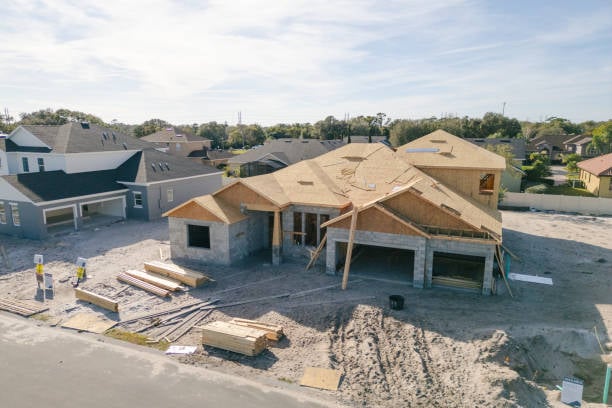
Builders across Central Florida have begun offering substantial purchase incentives as construction schedules extend beyond typical completion timelines, creating opportunities for buyers willing to wait for newly built homes. These developer concessions often include closing cost assistance, upgraded flooring packages, and appliance allowances that can total $15,000 to $25,000 in added value. The extended construction periods that once frustrated buyers now work in their favor, as builders compete more aggressively for sales commitments during the planning phases.
New Construction Incentives and Negotiation Tactics
Developers in communities like Horizon West and Lake Nona have expanded their incentive programs beyond traditional offerings, recognizing that buyers have more choices and time to make decisions. Smart negotiation begins with understanding which builders carry the highest inventory levels of completed or near-completed homes, as these companies typically offer the most flexible terms. Request detailed breakdowns of all available incentives before making initial offers, since many builders present basic packages initially while holding back premium upgrades for serious negotiations.
The construction timeline itself becomes a negotiation point when builders face scheduling delays. Buyers can secure rent-back agreements or temporary housing allowances when completion dates extend beyond contracted deadlines. Some builders now offer rate protection programs that lock mortgage rates for extended periods, protecting buyers from potential increases during lengthy construction phases. These protections prove especially valuable when building timelines stretch six to twelve months, as they have in many Central Florida projects.
Monitoring Zoning Updates and Infrastructure Changes
Orange County's comprehensive plan updates scheduled for 2026 will reshape development patterns across multiple districts, affecting property values in ways that aren't immediately obvious to casual observers. Transportation corridor improvements along major arteries like Colonial Drive and University Boulevard will increase accessibility to previously overlooked neighborhoods, potentially boosting home values before general awareness spreads. The county's transit-oriented development initiatives around SunRail stations create value appreciation potential for properties within walking distance of these transportation hubs.
Water and sewer expansion projects funded through recent municipal bond issues will open previously undevelopable land parcels to residential construction, increasing supply in specific areas while enhancing infrastructure capacity in others. School district boundary adjustments planned for implementation in fall 2026 will redistribute enrollment across high-performing schools, potentially affecting home values in neighborhoods that gain access to top-rated campuses. These administrative changes often take months to reflect in market pricing, giving informed buyers advantages over those who react only after value shifts become apparent.
Timing Your Market Entry
Purchase timing depends heavily on understanding seasonal patterns unique to Orlando's market dynamics, which differ from national trends due to the area's tourism-driven economy and snowbird population fluctuations. January through March typically brings the highest buyer activity as northern residents relocate permanently, creating competition that peaks during these months. Conversely, late summer and early fall often present the best negotiating conditions as seller motivation increases before the busy winter season begins.
Interest rate movements predicted by financial analysts suggest the most favorable borrowing conditions will occur during the second and third quarters of 2026, when rates are expected to reach their lowest points. Market forecasts indicate that home prices in Orlando experience slow, steady appreciation, perhaps in the 2-5% range annually, providing buyers with confidence that purchase decisions won't be undermined by dramatic value fluctuations.
Coordinating purchase contracts with rate lock periods requires careful planning to avoid expiration before closing dates, especially for new construction purchases with extended timelines. Working with lenders who offer extended rate protection becomes crucial when construction delays push closings beyond standard 60-day lock periods. Some mortgage companies now provide 180-day rate locks specifically for new construction purchases, accommodating the longer timelines that have become standard in current building cycles.
Final Thoughts
The 2025 Orlando real estate numbers tell a different story than the surface-level reports of a "cooled" market. We've dissected the actual data behind inventory levels, price adjustments, buyer activity patterns, and seasonal fluctuations that reveal genuine opportunities hiding beneath the headlines. These statistics show pockets of value, neighborhoods with strong fundamentals, and timing advantages that smart buyers can leverage.
This information puts you ahead of buyers who only read the general market summaries. Understanding these specific patterns means you can spot undervalued properties, negotiate from a position of knowledge, and time your purchases when conditions favor buyers most. The data we've examined gives you concrete advantages - knowing which areas still show appreciation potential, understanding seller motivations, and recognizing when market conditions create the best buying windows.
The Orlando market in 2026 holds genuine promise for buyers who approach it with strategy rather than emotion. The fundamentals remain solid, population growth continues, and the temporary adjustments we're seeing create entry points that won't exist once the broader market catches up to what the numbers already show.
Don't wait for other buyers to discover these insights. Use this data to guide your search, focus on the neighborhoods and property types where the statistics point to opportunity, and make your move while the advantages are still available. The market rewards those who dig deeper than the headlines and act on real information rather than general sentiment.
Check out this article next